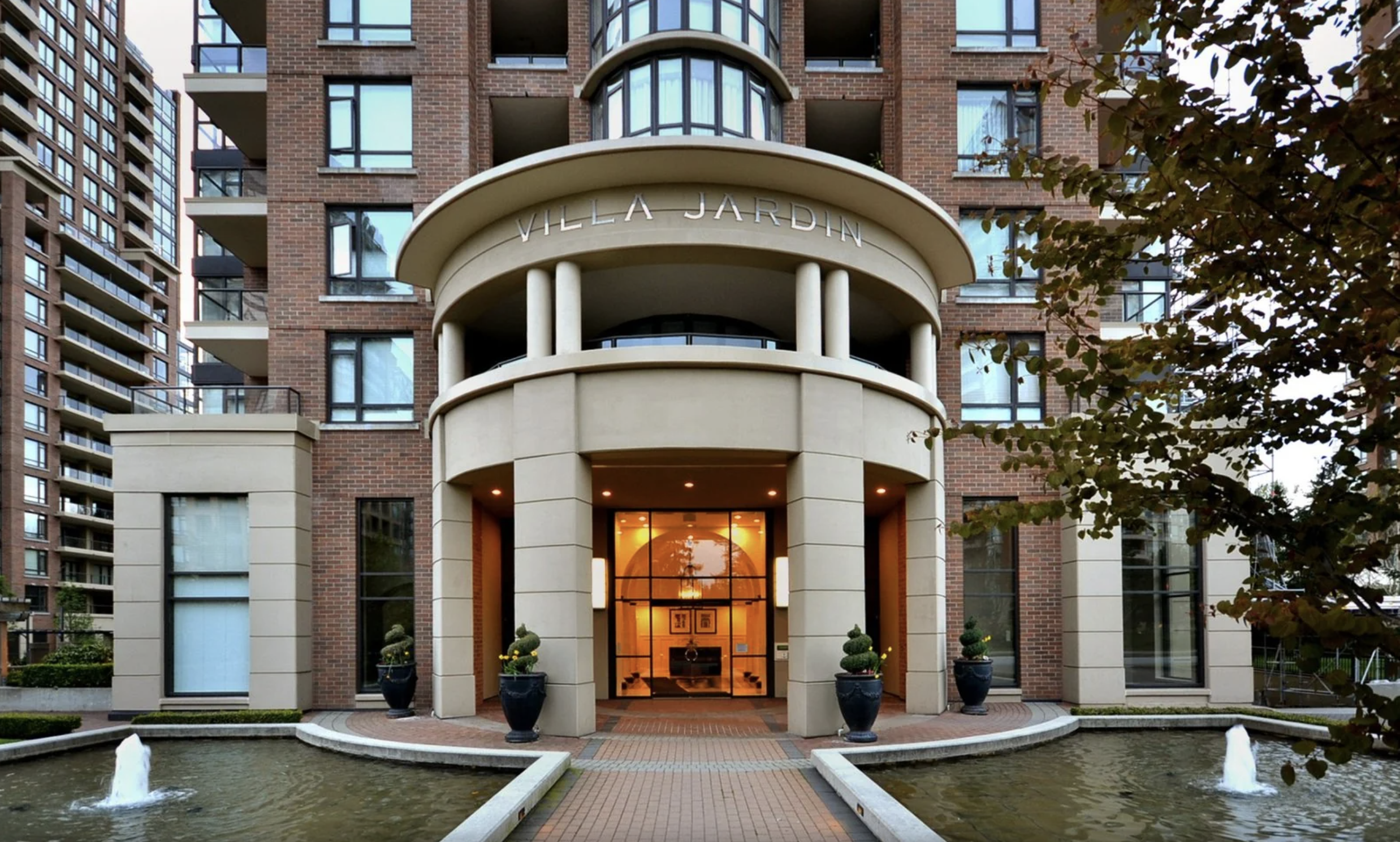
Issue-focused review of the supplied texts. Compare the cited clauses for full wording. Start with the topics that affect you.
Owner costs
Damage originating in a unit
ExpandedFinancial risk
- December §§4.3–4.4
- The bylaws already allocate certain repair expenses and insurance deductibles to owners through an indemnity.
- November §§39.1–39.3
- Responsibility can be deemed based on where damage originates, including appliances, dedicated non-common plumbing and past owners’ alterations. The definition references personal injury and death. Recoverable items include investigation, repair of the cause, deductible and legal costs. For repair costs under §39.3(e), where a claim is withheld as contrary to the strata’s best interests, the text caps liability under that paragraph at the hypothetical deductible.
What owners should consider. The draft expands potential owner exposure. The wording on injury and death should be read with §39.1’s repair-focused indemnity. The cap in §39.3(e) is specific to that paragraph.
A dishwasher leak or a failure involving an alteration installed by a previous owner could trigger a charge even when the current owner had no part in installing it.
Questions to ask before voting
- Walk through a leak from an original pipe, an owner’s appliance and a previous owner’s renovation. In each case, who determines the source and what evidence would the owner receive?
- Will council provide an itemized example showing how investigation fees, legal bills and the deductible cap interact when it decides against an insurance claim?
- What happens if the source is disputed or several factors contributed? Will collection wait while the owner provides an independent report or challenges the charge?
- How will owners be told about charges that may fall outside their own insurance coverage?
Home access
Entry into homes and return visits
ExpandedPrivacy and cost risk
- December §10
- The Resident Manager can enter for emergencies or, at a reasonable time with 48 hours’ written notice, for specified work or resident compliance. Emergency forced-entry costs can already be charged when the owner cannot be contacted.
- November §10
- Any strata-authorized person can enter for the specified purposes. Compliance extends to visitors. Date, approximate time and reason are now expressly required for all noticed entries. Emergency cost recovery adds reasonable contact efforts. Contractor reattendance costs are added when access required by §10.1 is not provided.
What owners should consider. Standard Bylaw 7 is a benchmark for emergency and maintenance entry. It omits general compliance inspections. Villa Jardin already has a broader clause. The draft’s reattendance wording gives no express test for reasonableness of the amount or how scheduling disputes are resolved.
A tenant or owner could be asked to admit an unfamiliar contractor for a compliance inspection. A disputed appointment could lead to a second call-out charge.
Questions to ask before voting
- Will the notice identify who is entering, which rooms or fixtures they need to inspect and why? How would a resident verify authorization or request a different time?
- Before charging for a return visit, will council share the notice and contractor invoice and give the owner a chance to explain a missed appointment?
- What distinguishes an emergency requiring forced entry from a disputed non-emergency inspection? What steps will staff take to contact the resident and document their decision?
- Will council offer a mutually agreed, accessible appointment with a specific start time and a short arrival window, for example two hours, instead of the six- to eight-hour windows residents report receiving? If the contractor misses that window, will the strata rebook without charging the owner?
Owner costs
Full-indemnity legal costs
ExpandedEnforceability risk
- December §§4.4, 35.1
- The existing indemnity addresses certain uninsured expenses. December §§5.3 and 8.3(e) already address pet-removal legal costs and common-property alteration indemnity. The small claims authorization already refers to legal costs of remedying contraventions.
- November §§29.1, 34.1, 37.3, 39.3(c), 50.9
- The draft adds express full-indemnity language for enforcement and specific tenancy, damage and owner surveillance matters. November §5.5 revises pet-removal cost wording and §7.3(e) carries over alteration indemnity into the combined approval provision. The small claims authorization is recast in general terms and includes other persons.
What owners should consider. Sections 133 and 135 of the Act limit statutory recovery for remedying contraventions to reasonable costs and require procedural protections. Whether particular fees are recoverable depends on their basis and the facts.
The same incident could generate an enforcement charge and a separate damage claim. The owner needs to be able to tell which legal work is being charged under which clause.
Questions to ask before voting
- Which costs would be claimed for investigating an allegation, remedying a breach and pursuing a claim? Can council give an example of each?
- Will owners see the legal basis and an itemized amount before a charge is finalized, and how will council avoid charging twice for the same work?
- Who approves spending on enforcement counsel, and what limits apply before costs are passed to an owner?
Privacy
Privacy requests · 30 business days vs 30 calendar days
NewPotential statutory mismatch
- December §§6, 43
- The consolidation contains no equivalent personal-information access policy.
- November §51.9
- The draft states 30 business days to respond and says a minimum fee will be charged. It describes requests using resident and visitor terminology and addresses redactions.
What owners should consider. PIPA §§23, 26, 29, 31 and 32 govern access. The ordinary deadline under PIPA §29 is 30 calendar days, subject to the Act’s exceptions and permitted extensions. Thirty business days is roughly six weeks before accounting for holidays. The draft therefore gives the strata a longer routine response period than the Act allows. Fees, where permitted, must be minimal. A fee for services requires a prior written estimate. The wording creates a direct mismatch if applied as written to delay a statutory response or impose a fee beyond what the Act permits.
A resident seeking their own fob or camera records could face a slower response and an unspecified charge under the proposed wording.
Questions to ask before voting
- Will council change §51.9 to 30 calendar days, limit extensions to those allowed under PIPA and provide written fee estimates where required?
- Who receives a request from a visitor, and how will records relevant to the request be preserved while it is considered?
- If information is withheld or redacted, will the reply identify the applicable legal basis and explain how the requester can seek a review?
Privacy
Strata cameras and fob records
NewPrivacy risk
- December §43
- Existing security provisions address building access, lost transmitters and a security committee. They contain no equivalent surveillance policy.
- November §49
- The draft describes 24-hour CCTV and usage records for each programmed security fob, sets purposes and access terms and permits up to 90 days of routine storage, with longer retention in specified cases.
What owners should consider. The B.C. privacy commissioner generally recommends keeping recordings only as long as reasonably necessary, usually 24 hours to 10 days, with exceptions such as an investigation. PIPA also has retention obligations where information is used to make a decision directly affecting someone.
In Order P21-06 (2021 BCIPC 35), the adjudicator reviewed a different strata whose concierge could see which fob was used, where and when, and link it to a resident. This revealed movements through the building, including elevator and amenity access. The adjudicator allowed a fob inventory and certain CCTV uses, but ordered that strata to stop collecting and using identifiable fob activity through that system because the tracking was inappropriate in the circumstances. For Villa Jardin, the question is what security need requires identifiable activity logs and whether an inventory or more limited access controls would meet it.
Questions to ask before voting
- What incidents or security needs justify each type of record, and why is shorter routine retention insufficient?
- Who can look up a resident’s activity, what approvals are required and will access and deletion be logged?
- Can owners see a policy that separates investigating a specific security incident from reviewing ordinary resident movements or enforcing unrelated bylaws?
- Will footage or logs be preserved separately when needed for an investigation, an access request or a decision affecting an individual?
Privacy
Owner-installed security equipment
NewPrivacy and cost risk
- December §§8, 43
- Common-property alterations already require approval. There is no equivalent dedicated surveillance scheme.
- November §50
- The draft restricts installation and use, sets approval and operating conditions for surveillance on common property, including a last-resort requirement, assigns certain costs to owners and allows a removal demand even after approval, with removal required within 10 days of written notice.
What owners should consider. Door cameras or other installations can affect neighbours’ privacy. Existing installations, notice, removal costs and the permitted field of view merit clarification.
An approved device could later have to be removed at the owner’s expense. Camera angles can also capture neighbours’ doors or visitors.
Questions to ask before voting
- Will council publish criteria for doorbell cameras and similar equipment, including permitted angles and treatment of existing installations?
- If council reverses an approval, will it explain why, consider a less intrusive configuration and give the owner time to respond?
- What rules apply to audio recording, storage duration and sharing? What documentation must an owner supply when applying?
Home use
Could hanging a picture count as an alteration?
ExpandedApproval and cost risk
December §§7–8 · November definitions (a)–(b) and §§7.1–7.7
December §§7–8 already require written approval for specified changes inside a lot and for alterations to common property, limited common property and common assets. December §7.4 expressly says approval under §§7.1–7.2 must not be unreasonably withheld.
The November definition expressly includes attaching an item to a wall, floor or ceiling, and gives a nail as an example. It also captures like-for-like replacements and things held in place by their own weight, even if removable without damage. On the face of that definition, driving a nail to hang a picture can count as an alteration.
Whether it needs written approval is a separate question. Inside a lot, §7.1(a) requires the work to involve a listed category, including structure, flooring, building services and parts the strata must insure under §149 of the Act. A picture hook in an ordinary interior wall illustrates the ambiguity. The draft leaves owners to determine whether the surface or assembly involved falls within a listed category. Under §7.1(b), the trigger is broader because any alteration to common property, limited common property or common assets needs approval. That makes the same definition particularly consequential for routine activity on a balcony or terrace that is common property or limited common property.
Questions to ask before voting
- Do a picture nail, removable hook, freestanding planter or identical fixture replacement count as alterations? For each example, when would §7.1 require approval?
- Can the text exempt ordinary decorating, non-damaging movable items and routine like-for-like maintenance, with specific exceptions for work affecting structure, building services, waterproofing or other identified components?
- How can residents tell whether the surface or component is part of their lot, limited common property, common property or an insured component? Can the strata provide examples based on this building?
- Will the draft restore the express requirement to act reasonably on approvals and specify response times, written reasons and a way to request reconsideration?
- Can council explain when restoration or repair costs apply, what proof supports them and how owners can dispute the amount before collection?
- What alteration records, continuing obligations and approvals will a purchaser be able to obtain before completing a purchase?
Home use
Hard-surface flooring
ExpandedExpanded scope · December §§7.2–7.3 · November §8
The December bylaws already require approval for changes to existing floor material. They specify underlay performance, thickness and density for hardwood or laminate. The November proposal applies its hard-surface installation conditions to a wider list including tile, stone, bamboo, cork, resilient flooring, linoleum and vinyl. It retains the three listed underlay figures and sets out noise precautions for residents with hard-surface flooring.
Approval turnaround. §8.1 requires written approval before installation and gives no deadline for a decision. Owners may need to book contractors, arrange deliveries or replace damaged flooring before a regular council meeting.
Questions to ask before voting
- Which flooring products and assemblies satisfy all three requirements?
- Does a like-for-like replacement trigger them?
- Does the noise-precaution wording apply to floors approved under earlier bylaws?
- What documentation will an owner need to prove compliance?
- Will council publish a service standard with a deadline to confirm a complete application, a maximum turnaround for a written decision and a faster route for urgent repairs? If that deadline is missed, who can resolve the delay?
Governance
Unbudgeted spending
NewPolicy choice
- December §26.1
- The spending clause restricts who can spend strata money and does not set its own unapproved spending threshold.
- November §§25.1–25.3
- The draft allows unapproved operating-fund expenditures if combined unapproved spending is less than $5,000. It separately addresses certain urgent repairs or replacements.
What owners should consider. Act §98(2) permits a bylaw threshold and otherwise uses the lesser of $2,000 and 5% of operating-fund contributions for the current year. The proposal does not expressly name a reset period. Statutory emergency spending has separate conditions.
A series of small payments could use most of the proposed $5,000 allowance before owners see the aggregate amount.
Questions to ask before voting
- Over what period will the limit be measured, and will owners see a running total with the purpose of each expenditure?
- Can council provide examples of spending under this authority and show how it would distinguish those expenses from emergency spending?
- Will the year-end report distinguish unbudgeted operating spending from amounts already approved in the budget or by resolution?
Governance
Voting and council eligibility
NarrowedGovernance change
- December §§14, 32
- The text includes disqualifications tied to lien eligibility and lists some other amounts owing. The vote clauses expressly except unanimous votes.
- November §§14, 32.1
- The proposal retains lien-based wording, drops the separate lists of other charges, and expressly exempts both unanimous and 80% votes from the voting restriction.
What owners should consider. Act §§28 and 53 govern eligibility and voting restrictions. Read the old wording subject to those statutory limits. The proposal retains the two-thirds removal threshold and clarifies that council may appoint a replacement if owners do not elect one at the meeting.
An eligibility mistake at check-in could prevent an owner or proxy from voting even where the underlying balance is disputed or has already been paid.
Questions to ask before voting
- When will owners be told that lien-based voting restrictions may apply, and what evidence can they bring to resolve an error?
- Who makes the decision at check-in and how is a correction recorded before voting starts?
- How will the strata handle proof of recent payment, disputed balances, proxy votes and the exceptions for unanimous and 80% votes?
Governance
Council hearings and dispute resolution
RemovedProcess change
- December §§20, 22.4 and 34
- The text sets out council hearings, expressly requires council meeting minutes and provides an optional dispute committee where all parties agree.
- November §§19–24 and 34
- The standalone hearing and voluntary dispute committee bylaws disappear. The express general minute-keeping line is omitted, while circulation and recording vote results remain. §34 now addresses small claims.
What owners should consider. Act §§34.1 and 35 still set hearing and record obligations. Owners and tenants can still request a council hearing under the Act. Removing the committee provision removes the local procedure from the text.
With the local procedure removed, residents may have to find the statutory hearing process themselves. They may also lose a familiar route to informal resolution.
Questions to ask before voting
- Where should an owner or tenant send a hearing request, who confirms receipt and how are statutory deadlines tracked?
- Will council retain a voluntary mediation option and publish how residents can request minutes and decisions?
- If a hearing is requested to obtain a decision, when and how will the written decision be sent? Who can follow up if it is overdue?
Owner costs
Fines and repeat contraventions
NarrowedEnforcement procedure
- December §§28–29
- General maxima are $200 for a bylaw and $50 for a rule. §28.2 directs fines for repeated contraventions and says they are added to strata fees.
- November §§27–29
- The general amounts and seven-day continuing contravention framework are carried over. The mandatory repeat-fine wording disappears and a payment deadline is tied to notice. A separate enforcement-cost clause is added.
What owners should consider. Act §135 requires notice and a reasonable opportunity to answer before the initial fine or recovery of remedy costs for a contravention. Special fine provisions should also be checked against applicable regulatory limits.
A resident may receive a bill with fines, remediation and legal fees combined, which makes it hard to identify what they can dispute.
Questions to ask before voting
- Will a notice state the alleged breach, the evidence, the response deadline and the date council will consider it?
- Will the decision separate any fine from other costs and explain when a continuing fine begins or ends?
- How will a resident show that a continuing breach has ended, and who confirms that further fines have stopped?
Daily living
Front-door deliveries and enterphone access
ExpandedAccess and accessibility
Carried over with an explicit restriction.
- December 2024 · §§43.2(b), 43.6 and 47.4
- Residents already have to meet food, parcel and other deliveries at the front lobby door. The existing enterphone rule limits whom residents can admit to known owners or residents, invited guests and emergency responders. For furniture, appliances and building materials, residents who are unavailable can make prior arrangements with the Resident Manager.
- November 2026 proposal · §§43.2(b), 43.6 and 47.5
- The draft keeps the front-door requirement, expressly says residents must be onsite and meet the delivery person in person, and adds that residents must not buzz in a delivery when they’re away from home. The enterphone remains available for people covered by §43.2(b), including invited guests. The draft expressly allows prior arrangements with the caretaker for furniture, appliances and building materials. It gives no equivalent exception for ordinary food or parcel deliveries.
What owners should consider. The general enterphone rule and the delivery rule do different things. A resident can use the enterphone to admit an invited guest, but the delivery clause still requires an in-person handoff at the front door. Being home and able to verify the courier doesn’t, on the face of the draft, let the resident ask them to bring the delivery upstairs.
That distinction matters if someone is in a work meeting, caring for a child, ill, or unable to get to the lobby before the courier leaves. For a resident with a disability, a blanket lobby requirement could also create an accessibility barrier. Building security is a legitimate concern. The question is what additional security an in-person handoff provides when a resident can verify the courier and authorize that specific delivery, and what exceptions or accommodations are available.
Questions to ask before voting
- What incidents, security assessment or insurance requirement support an in-person handoff for every ordinary delivery? What risk remains when a resident verifies the courier through the enterphone?
- Could a resident who is home buzz in a verified courier for a delivery to their unit? If council intends to allow that, will it write the exception into §43.6?
- What options would a resident have if they’re home but unable to reach the lobby in time, for example during a work meeting, while caregiving or during a temporary illness? Could they arrange for someone else to receive it?
- How can a resident request a disability-related accommodation for doorstep delivery, and what arrangement is available while the request is being considered?
- Why is advance coordination with the caretaker expressly available for bulky deliveries only? Could a designated drop-off point or another secure arrangement work for ordinary parcels and food?
- How would an alleged breach be verified, and what opportunity would the resident have to explain the circumstances before council decides whether to impose a fine?
Privacy
Resident, tenant, visitor and dog information
ExpandedPrivacy risk
- December §§5–6
- Owners already report certain information, and tenants can be asked to identify themselves and their strata lot. Pet restrictions already exist.
- November §§5.6, 6.1–6.2, 37.1–37.2 and 51
- The draft adds tenant and co-occupant reporting, requires changes to residents’ names to be reported within two weeks, extends identification on request to residents and visitors, adds a deadline to the existing dog registration and documentation requirements, and includes a privacy policy. Form K duties are also stated.
What owners should consider. The reporting and policy provisions should be read together with PIPA’s limits on reasonable collection, use and disclosure. Form K duties already exist under Act §146.
A visitor or co-occupant may be asked for information without knowing why it is needed or how long the strata will retain it.
Questions to ask before voting
- Can council identify which details are mandatory for each person, the purpose for collecting them and who can access them?
- What is the retention and deletion schedule for visitor details, former tenants’ information and dog registration documents?
- How can a person correct a record, and what happens if a visitor declines to provide a detail that is unrelated to their visit?
Home use
Occupancy limits and visiting family
Carried overCarried over · December §4.5 · November §§4.3–4.4
The two-, four- and six-person caps for units originally designated as one, two and three bedrooms remain, subject to prior written council approval. Children count, and visitors staying less than 30 days are excluded. The restriction can affect families whose household grows, owners hosting relatives and people needing a live-in caregiver.
Questions to ask before voting
- What criteria and response times apply to exceptions?
- How are newborns, shared custody, extended family visits and live-in caregivers handled?
- Can owners get written examples and a clear accommodation process?
Home use
Long-term rentals and short stays
NarrowedUse and enforcement
- December §38
- The text contains an owner-occupancy and 12-rental cap framework, a whole-lot rule and a short-term accommodation ban with a $1,000 daily fine.
- November §37
- The cap and separate whole-lot wording disappear. The short-stay ban and daily amount carry over, with expanded examples including home exchange and temporary or corporate housing. Form K and tenancy enforcement are addressed expressly.
What owners should consider. The old long-term restriction must be read subject to the Act’s limits on rental restrictions. The reach of the revised short-stay wording depends on the arrangement and facts.
An owner arranging temporary housing or a home exchange may have difficulty predicting whether the broad short-stay wording applies and when the daily fine could start.
Questions to ask before voting
- Can council explain how it would treat a visiting relative, a no-payment home exchange and a fixed-term residential tenancy?
- What facts would establish a breach, how would days be counted and when would the owner have an opportunity to respond?
- Could the draft define the boundary between short-term accommodation and ordinary residential use more clearly before owners vote?
Home use
Showings, signs and lock boxes
NarrowedDrafting issue
- December §37
- Sale showings are by appointment only and open houses are expressly prohibited. Signs and lock boxes are prohibited.
- November §36
- The proposal requires owner or agent accompaniment on common property for sale or rental viewings. The outright open-house wording is removed. The lock-box ban remains and the signs clause ends with an unclear reference to 4.
What owners should consider. Act §122 permits reasonable regulation of sale activities, including signs and open houses. The sign exception needs a usable cross-reference.
An unclear sign exception and differing expectations about accompaniment can complicate a showing arranged by an owner or agent.
Questions to ask before voting
- What clause is the sign exception meant to reference, and can the correct wording be circulated before the vote?
- How can owners hold a showing or open house under the accompaniment rule, including when several visitors arrive at once?
- Can council circulate a simple showing protocol covering entry for agents, visitors and prospective tenants, given the lock-box restriction?
Daily living
Dog records, nuisance complaints and pet access
ExpandedPractical and drafting risk
- December §5
- Existing requirements include pet limits, leash and muzzle rules, dog registration, rabies and licence proof, $1 million liability coverage, a nuisance complaint and removal process, and an amenity exception for assisted living animals.
- November §5
- The draft adds a seven-day dog-registration deadline, uses full-indemnity legal-cost wording for removal proceedings and drops the express amenity exception for assisted living animals. It broadens the wildlife-feeding restriction and revises aquarium liability. The historical note before §5.1 displays “Error! Reference source not found.” in place of the first bylaw number. Resolution 3 identifies the provisions as §§5.1 and 5.4.
December already has dog registration, rabies and licence documentation, a $1 million insurance requirement, a five-day response window, a 30-day removal process and solicitor-client costs language. November adds a seven-day registration deadline tied to the dog residing in the lot or passage of the bylaw and uses full-indemnity legal-cost wording. November §5.9 omits December §5.8's express exception for assisted living animals in amenity rooms. November §5.10 broadens the feeding restriction from nuisance birds to birds, rodents and other wild animals. Aquarium liability is carried forward in revised form and tied to §39. The old express aquarium insurance-claim restriction is omitted.
Questions to ask before voting
- Can owners rely on documentation already submitted?
- How will the seven-day clock work for existing dogs?
- Will the draft state the assistance-animal exception and accommodation process?
- Under §5.5, a pet owner has five days from receipt of a written complaint notice to respond in writing. Will council provide the details and evidence with the notice, and allow extra time when reasonably needed before deciding whether to order removal?
- If council takes legal action to enforce a removal order, §5.5 assigns the resulting costs, including full-indemnity legal costs, to the strata lot owner. What costs would council claim, and when can the owner dispute them?
- Will council replace the error message in the historical note with the intended bylaw number and confirm the original filing reference before owners vote?
Daily living
Vehicle limits and visitor parking
ExpandedParking and towing
- December §§40–41
- Assigned parking, visitor permits, the 4,000 kg limit, delivery and pickup exceptions, storage-insurance documentation and towing controls already appear in December.
- November §§41–42
- The draft retains the weight limit and delivery exception, revises the storage-insurance wording and expressly caps short-term passes at two per resident. It requires applicable passes to be visible on the dashboard and lists particular violations for towing.
What owners should consider. Residents should confirm the limits and permit procedures before hosting longer visits or arranging deliveries. Existing restrictions on bicycle storage and gate safety mostly carry over.
A visitor relying on a resident’s permit could be towed if the pass, location or overnight conditions are misunderstood.
Questions to ask before voting
- Will the strata publish a simple map and permit guide with the short-stay, longer-stay, EV and overnight rules?
- Who verifies a violation before towing, and what exceptions or accommodations apply to deliveries and accessible parking?
- Can the strata give a concrete example of how it will warn residents or visitors about an expired or misplaced pass before authorizing towing?
- Residents report that residents’ vehicles regularly occupy visitor stalls on weekends when the caretaker is off site. Who will monitor and respond outside caretaker hours, and how will the strata enforce the existing resident-parking restriction consistently while administering the new two-pass cap?
Parking
EV charging and visitor parking
NarrowedMostly carried over with a removed priority clause · December §§41, 48 · November §§42, 48
Written permission, the user agreement, metered charges and the core time limit already exist. December §48.7 expressly gives the charging provisions priority over conflicting visitor-parking rules. November §48.7 permits eligible users to park in designated EV stalls but drops the express priority wording, while §42.2 expressly bars residents from visitor stalls.
Questions to ask before voting
- The EV stalls are clearly designated. Will the written rules confirm that a resident with charging approval can use a marked EV stall under §48.7 and explain how the parking restriction will be enforced on evenings and weekends?
- How are metered and servicing charges shown separately, and which time limit governs if the equipment software differs?
Daily living
Smoking, alcohol and common areas
ExpandedUse and liability
- December §44 and §45
- December already restricts smoking and vaping in listed areas and alcohol on common property, with event exceptions. It already includes immediate amenity ejection authority and a disclaimer covering common property and amenities.
- November §§44–45
- November restates the alcohol and liability language in general common-area clauses. It omits the specific $50 amenity fine while keeping the general bylaw fine ceiling. Its lounge wording calls for a licence or permit if alcohol is consumed.
The December bylaws already restrict alcohol on common property with booked-event exceptions and already include a disclaimer covering common property and amenities. The November proposal moves these provisions into more prominent common-area clauses and says alcohol is not permitted, subject to stated exceptions. Immediate ejection authority already exists. The December amenity-specific $50 fine provision is omitted, while the draft’s general bylaw fine provision sets a $200 maximum unless otherwise specified. The lounge wording changes from obtaining permits if required to requiring a valid licence or permit if alcohol is consumed.
Questions to ask before voting
- Which fine schedule will council apply to amenity violations, and how does immediate ejection differ from a fine or longer restriction?
- Does the alcohol wording address possession as well as consumption?
- What does the lounge permit requirement mean for ordinary private events?
Daily living
Balcony barbecues and butane torches
NewPolicy choice
- December §4 and §44.5
- The existing bylaws restrict open flames in interior common property. They contain no equivalent barbecue use and storage ban.
- November definitions and §§4.6–4.7
- Use and storage of barbecues on common property are prohibited, expressly including balconies and terraces. The definition includes limited common property. There is no stated exception by fuel or power type. Using a butane torch inside a strata lot is also prohibited.
What owners should consider. Owners would lose an amenity where the prohibition applies. The breadth of the rule is a policy issue. The documents do not establish a resale price impact or an insurance requirement.
The proposal would require residents to remove stored barbecues from affected balconies and terraces, including equipment they no longer use.
Proposed alternative to the blanket ban
Barbecues may be used on balconies and terraces provided they are certified for outdoor use and comply with applicable fire and safety requirements. Charcoal and solid-fuel barbecues are prohibited. The use of propane barbecues is subject to applicable fire-safety requirements, including restrictions on cylinder size, storage and clearances. Natural-gas barbecues must be properly installed by a qualified gas contractor. The Strata Corporation may impose reasonable, evidence-based safety restrictions where required by the building’s design or applicable fire-safety requirements.
This is proposed wording for discussion. Any final wording should address storage separately and reflect applicable fire-safety requirements and documented building or insurance conditions.
Questions to ask before voting
- What written fire-safety or insurance requirement supports banning both use and storage? Does it distinguish electric, propane and charcoal equipment?
- What transition period and disposal arrangements would apply, and would council consider exceptions if the evidence supports them?
- What specific use of a butane torch is the draft aimed at, and was ordinary culinary use considered when drafting the prohibition?
- Where could owners lawfully keep an unused barbecue or its fuel under the proposal? If a locker is common or limited common property, would the barbecue storage ban apply there too? How would the separate hazardous and flammable materials restriction in §41.2 apply, and what transition or disposal options would be available?
Daily living
Outdoor decorations and housekeeping
NarrowedNarrowed decoration window and updated refuse rules · December §11 · November §11
The December text allows outdoor decorative lights and ornaments starting December 1 and requires removal before January 15. The proposal allows installation after December 15 and retains the January deadline. Cooking ventilation and the ban on cut Christmas trees carry over. The updated refuse language includes organic waste.
Questions to ask before voting
- Why shorten the installation window and does it apply to all outdoor decorations?
- How will changes in waste sorting and enforcement be communicated?
Daily living
Fees, moves, deliveries and ordinary building use
Carried overExisting obligations
- December §§2, 11–12, 42–48
- Late fees and interest, upkeep, visitor and child responsibility, delivery coordination, amenity terms, move fees and EV procedures are already addressed.
- November §§2, 11–12, 40, 43, 45–48
- The core repair split, four-hour move window, $150 move fee, $250 damage deposit and lounge’s $25 fee and $200 deposit continue. Wording, clause references and some operating details change. Child supervision expressly includes visiting children.
What owners should consider. These core costs and obligations predate the proposal. Check the proposed operational wording for timing, exceptions and how each obligation is enforced.
The fee amounts are familiar, but revised wording can still change what residents have to book, when they must pay and when they could lose a deposit.
Questions to ask before voting
- Can council publish a side-by-side checklist showing which booking, notice and payment steps change for moves, deliveries, lounge rentals and EV charging?
- Who approves exceptions, when are deposits refunded and how will residents receive an itemized explanation of deductions?
- Will owners receive an up-to-date schedule of the fees and deposits that carry over, including payment deadlines and who administers refunds?